Emerging nations have made for compelling T20 World Cup

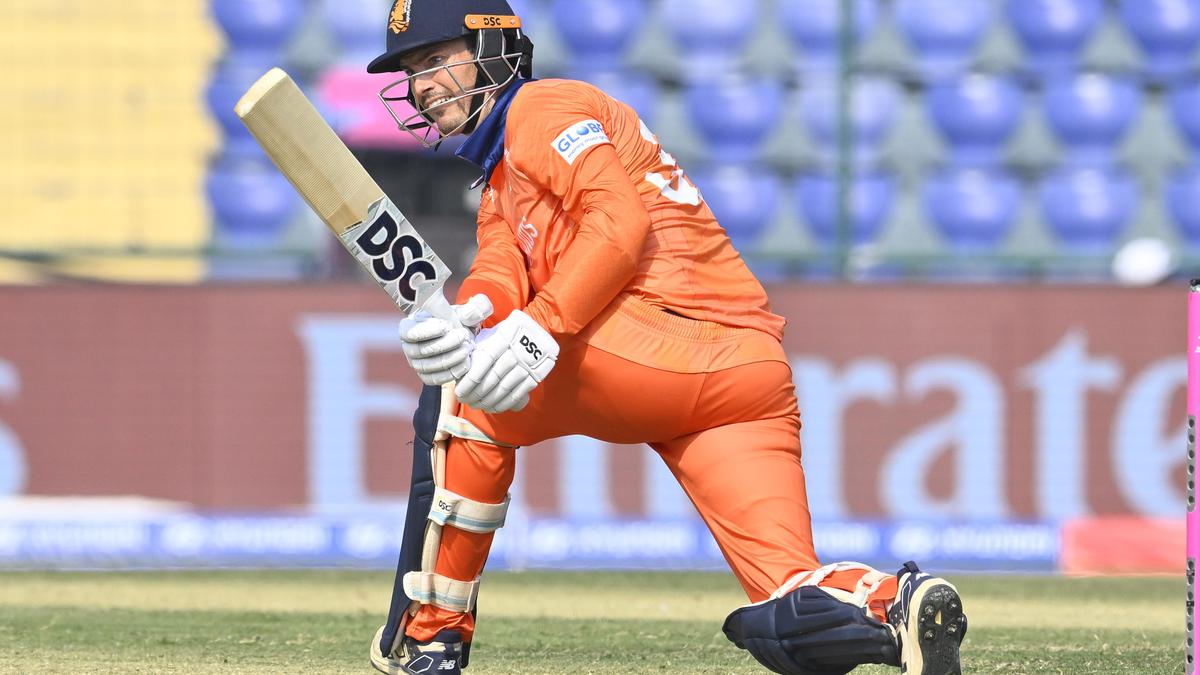
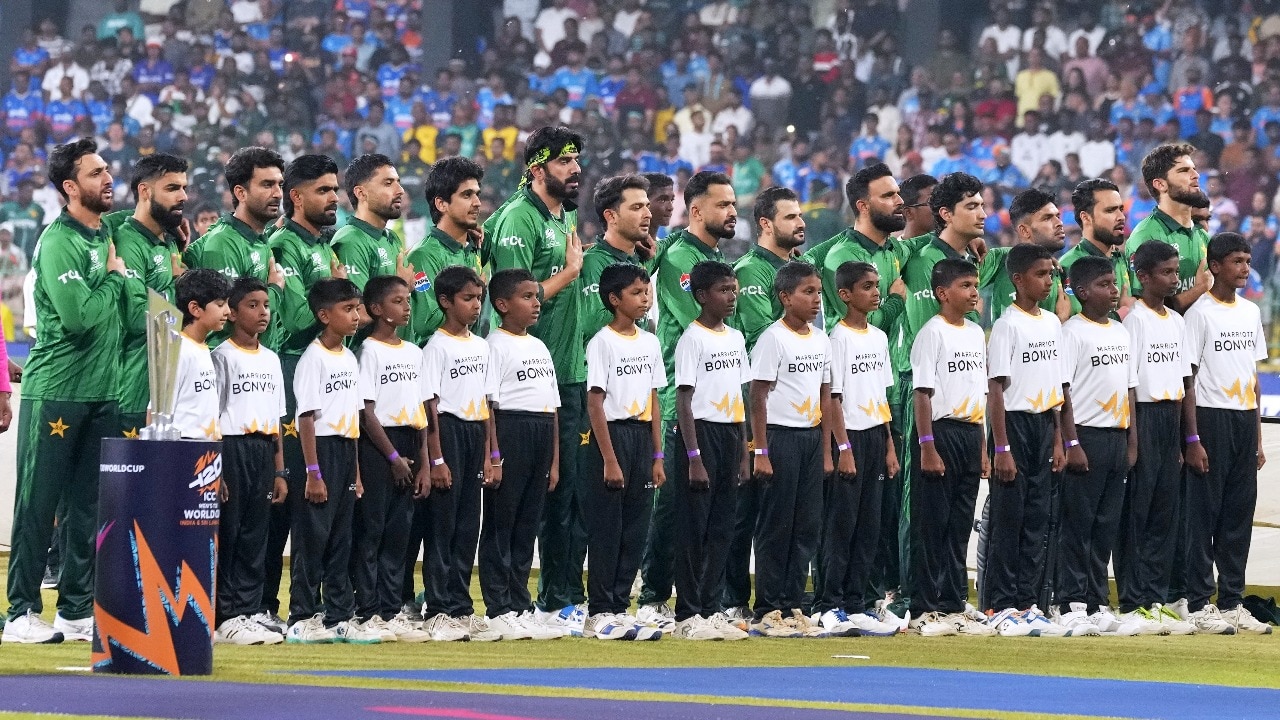
Accompanied, of course, with some unbelievable guff: “From the ground rises unwavering strength that endures; from the skies comes unrelenting vision that dares; together they carry the weight of legacy to command the future. Manchester Super Giants: here power meets purpose and dominance takes shape.” Yeah, whatever. Make sense of that word salad if you will. Roll the eyes, save it up for a column, and move on.Connections and meaning are the essence of great sport. You have to feel as though the game matters, to players and supporters, if it is to be consequential and lasting rather than inconsequential and fleeting. Too often, frequently but not always in the franchise world, cricket feels like it is fighting for relevance: always there in the background; functional and providing a service to fill broadcast schedules and players’ pockets in the main.After landing in Mumbai on Sunday, there was a vivid reminder of the opposite of all that. I’d flown in from Calcutta and decided to go for a run along Marine Drive, the dramatic C-shaped arc in South Mumbai that splits the Arabian Sea on one side, from the shoreline, which boasts the famous Wankhede Stadium and Cricket Club of India and the Brabourne Stadium, on the other. I set off, in searing afternoon temperatures, but had forgotten that Nepal were playing West Indies that day.It didn’t take me long to realise my mistake. Within half a mile, I found myself among thousands of Nepalese supporters, who had spilled out of the ground after the end of the match on to the boulevard and were now thronging the sea wall. To a man, woman and child, they wore their blue-and-red national shirts, with their favourite player printed on the back. On this evidence, the captain, Rohit Paudel, and Dipendra Singh Airee, the flying all-rounder, are the most popular players among the fanbase.Trumpets sounded, horns blew, flags fluttered — a tremendous, colourful and good-natured scene, despite the heavy defeat which had been handed down a little earlier. After giving England a good run in the opening match they had disappointed in their next two games, but on Tuesday, in their final match against Scotland, they gave another stirring reminder of the power of sport, as thousands of their supporters filled the Wankhede again and revelled in a long-awaited victory. The atmosphere in the ground felt like a World Cup final. Cricket is starting to put that country on the sporting map.A T20 World Cup, which, at its heart, has a remit to encourage the growth and spread of the game, relies on the quality of the associate nations above all, rather than the established teams. This has felt to me like the first World Cup where the quality of cricket and the competitiveness of the matches have not been compromised by the breadth of the countries involved and the scope of the game’s ambition to globalise. The concept has been happily embraced.In the group I have been following, England have been given two scares by Nepal and Italy. Elsewhere, the Netherlands were close to beating Pakistan; the United States gave holders India a good run in their opening match. There have been few completely one-sided games, an outcome encouraged by the format which compresses the gulf in quality that longer formats would exaggerate. With three games a day, the narrative has unfolded quickly.The leading wicket-taker (13 wickets) is Shadley van Schalkwyk of the USA; Michael Leask, Scotland’s off spinner, has the next most wickets. Two other bowlers from the associates — Harmeet Singh (USA) and Junaid Siddique (UAE) are in the top ten. Dipendra Singh Airee (Nepal) is in the top-ten run-getters. On Tuesday Yuvraj Samra of Canada became the youngest batsman, at 19 years and 141 days old, to make a World Cup century. He was named after Yuvraj Singh, the former India international, by his father, who emigrated to Canada from India.The beauty of the involvement of the associates is the human stories that emerge, especially given how over-exposed the stars from the established teams tend to be. The joy and enthusiasm of Italy’s Mosca brothers at the moment of and after their triumph against Nepal was uplifting. In the same team, the pizza-spinning leg-break bowler Crishan Kalugamage is a reminder of the sacrifices part-time players must make. Fast bowler Thomas Draca boasts Dennis Lillee as a family friend, and came bounding in during his one match with Lillee’s World Series silver chain on his chest, a link stretching over five decades.As well as good matches — this tournament has produced that rarity of a T20 match (between South Africa and Afghanistan that went to a second super over) that will live long in the memory — and good stories, a successful global tournament requires two other factors: strong support among the locals for the neutral games and the host teams doing well. Indian cricket lovers have come out in numbers. The night games have been especially well attended, but the day games, too: for the England v Scotland match in Calcutta, more than 40,000 tickets were pre-sold.India’s form has been predictably strong and the tournament was given a lift this week by Sri Lanka beating Australia on what looked like a superb day-night occasion at Pallekele in Kandy. Pathum Nissanka lit up that occasion with a wonderful hundred, to offer further reminder of his talent (he now has more than one hundred in all formats, and a double hundred in ODIs) and suggest that, after so long in the wilderness as far as global tournaments are concerned, Sri Lanka may yet challenge again this time.It is hard from a distance to get a sense of how much traction the tournament is getting at home. The Winter Olympics and Six Nations are on; it is deep into football season and it is raining every single day. Cricket feels a long way off for many, no doubt. But, so far, on the ground — the politics of Bangladesh’s withdrawal and the shenanigans around the India versus Pakistan match notwithstanding — it’s been a treat.

.jpg)
Most Popular