Big Ten asks NCAA to pause tampering inquiries, revamp rules
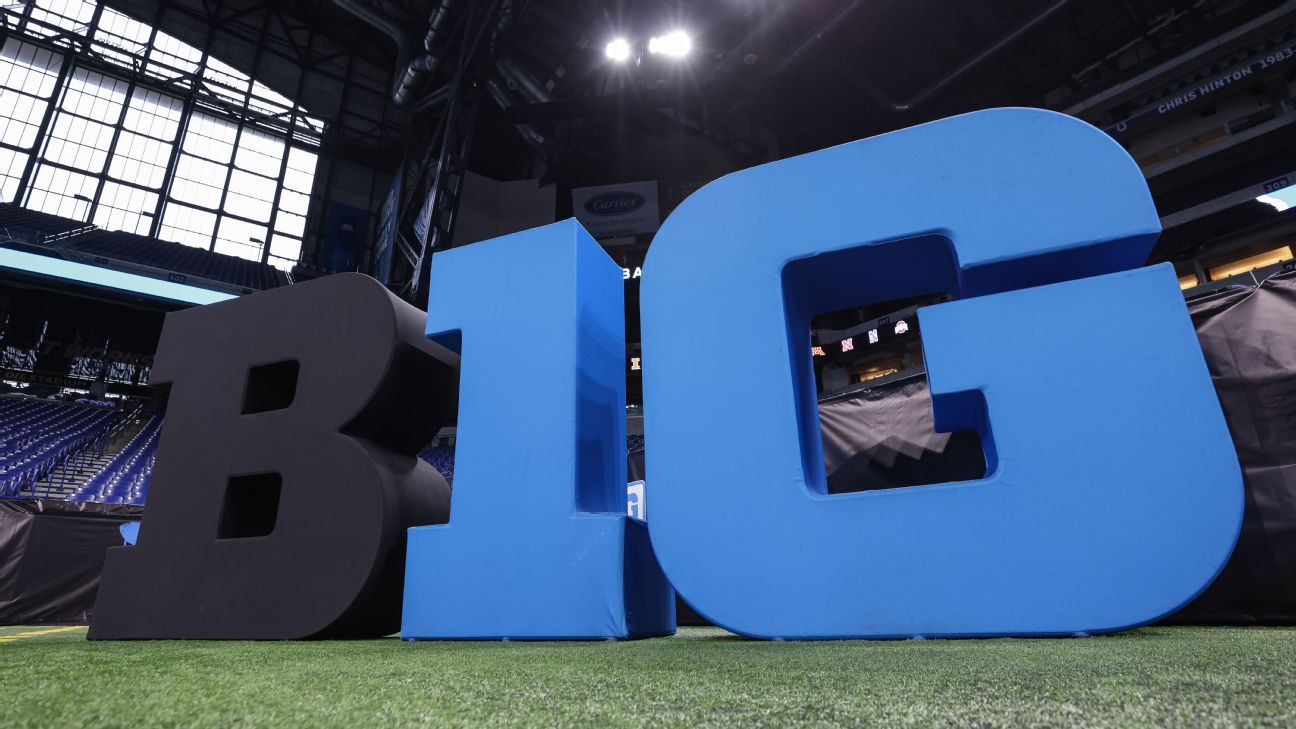
The Big Ten sent a letter to the NCAA this week asking the organization to put a halt to "investigations and infractions proceedings" related to tampering, according to a copy of the letter obtained by ESPN.The letter states that the "current framework" for tampering rules "cannot be credibly or equitably enforced," pointing out the rules for tampering were designed before a modern era that includes paying athletes and essentially unlimited transfers."These rules were not designed for a world in which student-athletes are compensated market participants making annual decisions with significant economic consequences," the letter reads. "The collision between the old rules and new reality is producing outcomes that harm the population that the rules were designed to protect."The letter comes in the wake of a flurry of recent tampering headlines. That included the NCAA seeking to impose significant penalties against tampering offenders. The case of linebacker Luke Ferrelli, who transferred to Ole Miss after enrolling at Clemson, has also put the issue in the forefront.The prevalence of tampering in the current landscape is so great that numerous officials told ESPN's Max Olson that it's essentially a competitive disadvantage to not tamper."If you're not doing that, you're so far behind in the game," an SEC general manager told Olson.The Big Ten's letter lays out why the current rules are antiquated for the modern space, suggests a pause that "does not create a window of impunity" and lays out a vision for building "a framework suited to the world as it actually exists."The Big Ten letter states: "We are committed to engaging in an expeditious process to develop a modern framework for contact rules that addresses the varied challenges and opportunities of the current collegiate landscape."The letter shows portal numbers from this year (the first football season with just one portal period) that have not appeared publicly. That includes 1,000 football players who entered the portal on Jan. 2 and took campus visits the same weekend. More than 300 had signed with a new school by the end of the weekend. Some signed as quickly as 90 minutes into the portal opening, and others had a "do not contact" designation that essentially couldn't exist without some type of fact finding to determine a new destination."These timelines reflect the reality of player movement and raise serious questions about whether the current regulatory structure can realistically accommodate the pace at which the modern transfer market operates," the letter says.The letter says the current framework "conflates" genuine predatory recruiting -- in which a school targets a player under contract -- with a far more common scenario in which a student-athlete already exploring options engages in conversations as part of a rational, market-driven evaluation."The world is materially different than in 2018 when the Division I membership adopted the existing contact rules and penalty structure," the letter reads. "The House v. NCAA settlement transformed college athletics into an environment where student-athletes are compensated directly by institutions."The letter also notes that only 15 Level II or above tampering cases have been fully adjudicated by the NCAA in five years, including just three involving FBS football, one involving men's basketball and zero involving women's basketball.The NCAA says its enforcement team processed around 90 impermissible contact cases last year, including major infractions by Oklahoma State's women's tennis program and UCLA's cross country and track programs.The Big Ten argues the dearth of tampering cases in a time when thousands of athletes are transferring every year proves that "consistent, equitable enforcement is no longer achievable" under current NCAA rules.The letter also mentions legal scrutiny that has arisen."Continued enforcement of the current rules risks having the courts strike down the rules entirely," the letter reads.The letter argues the NCAA must change: "The system of college sports is under tremendous stress, both internally and externally. Systems adapt or they break."It lays out that the Big Ten would want an enforcement approach that would be "timely and meaningful, but able to be meted out fairly with penalties that are commensurate with the circumstances."The letter concludes by saying: "The Big Ten is committed to quickly engaging in a deliberative process drawing on athletics administrators, compliance professionals, coaches, legal counsel, and other stakeholders from across the membership and will work to produce a comprehensive proposal. We believe this collaborative, membership-driven approach is the best path to a durable solution and need the NCAA's support in this effort."

.jpg)
Most Popular