
IDSDP 2026: Nawal El Moutawakel - “54 seconds changed my life and the lives of so many young women”
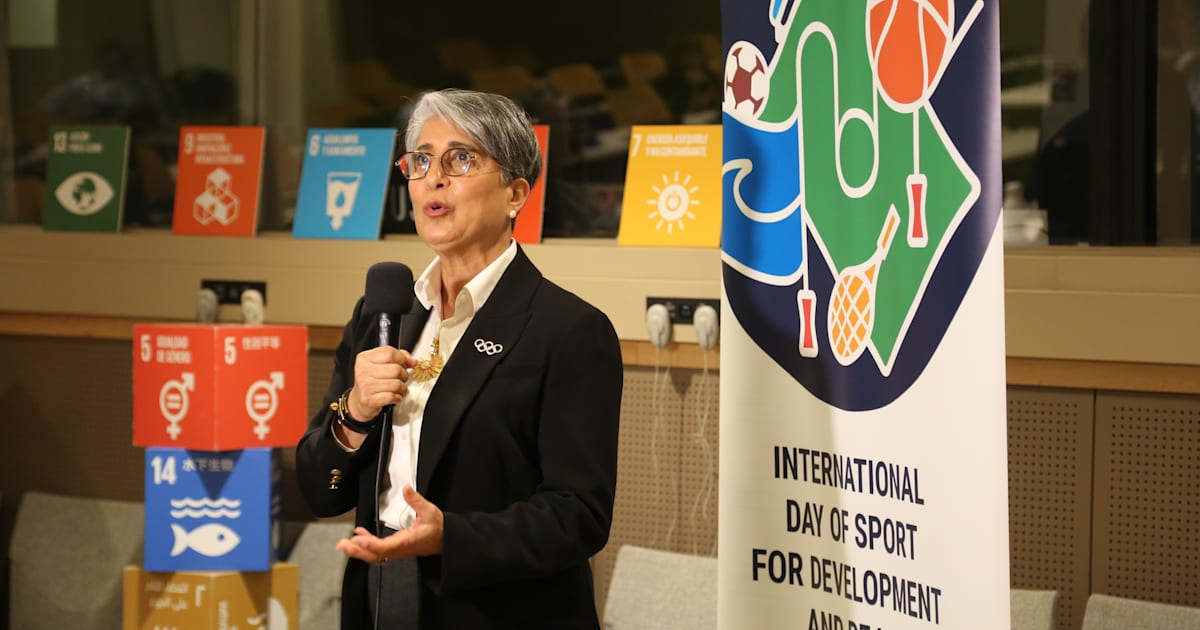
Celebrated each year on 6 April, the IDSDP is an opportunity to showcase the role of sport in driving social change and fostering peace.Nawal El Moutawakel, IOC Vice-President and Olympic champion hurdler, spoke during a panel discussion at the New York event, held under the UN theme for this year’s IDSDP – “Sport: Building Bridges, Breaking Barriers”. The event brought together figures from across the world of sport to discuss how it encourages inclusion of marginalised groups and advances sustainable development.El Moutawakel has experienced that power first-hand. In 1984, she became not only the first Olympic gold medallist in the women’s 400m hurdles, but also the first female Arab, female African and female Muslim Olympic champion. Those experiences have informed her work as a leader and decision-maker in both the Moroccan government and the IOC.The Power of Legacy: How champions inspire future generationsEl Moutawakel stressed the importance of role models in helping break down negative gender expectations and stereotypes, not least in her own life.“My mother used to play volleyball, my dad was a judoka, and me and my brothers and sisters all did track and field. I grew up in a positive environment that pushed all of us to understand the power and magic of sport,” she explained.She also reflected on how changing expectations for women in sport – both on and off the field of play – depends on visible pioneers leading the way for others.“Football was my first love before athletics. But at that time, it was not appropriate for a young girl. Neither was it appropriate for a woman to be involved in governance of sports – it was a male-dominated environment.“Without women being involved, I don't think the door would have been opened. You need to have somebody try to reach the level of leadership and then be part of the governance. Then, little by little, you understand how to get there.”IOC committed to leading by exampleThe IOC has made significant strides in recent years, as was highlighted by El Moutawakel, who pointed to the establishment of the IOC’s Women and Sport Working Group in 1995, evolving into a full-fledged Gender Equality, Diversity and Inclusion Commission today. Today, 44 per cent of IOC Members are women, and all IOC commissions are gender equal.That change has been reflected at the very top, too. “For the first time in the IOC’s history of more than 100 years, we have a woman – Kirsty Coventry – as President. To see this progress being made makes me so happy,” said El Moutawakel.Improved gender balance was also seen at recent Olympic Games. Paris 2024 marked the first time in Olympic history that full gender parity was achieved on the field of play, while Milano Cortina 2026 was the most gender-balanced Olympic Winter Games ever, with women representing 47 per cent of competing athletes.“Working with many committed women, we’ve transformed what was just a ratio of a little over 20% of women at the Los Angeles 1984 Olympic Games into having 50% female representation at Paris 2024,” said El Moutawakel. “It’s a dream that is becoming a reality.”Beyond the Games, El Moutawakel highlighted the importance of collaboration in promoting gender equality from the grassroots up.“We continue to work with our partners – International Federations, National Olympic Committees and others. We understand that, to move forward, we need to have women in every aspect of life,” she said. “For one, the IOC’s partnership with the UN has had really positive impacts. To see all this progress made, because of joint efforts, is something fantastic.”

.jpg)
Most Popular


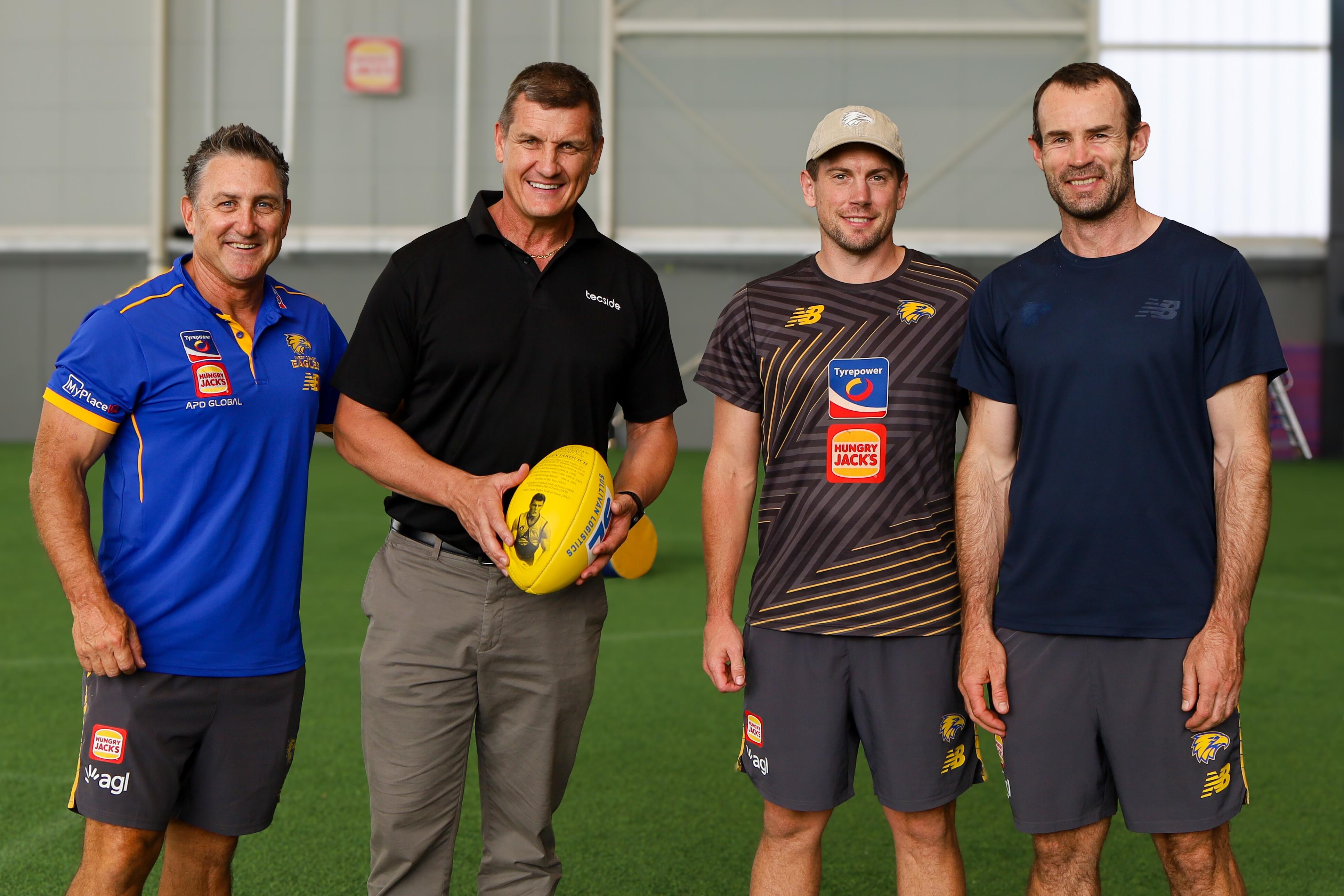
Jakovich named WAFL Eagles Ball Legend
16 hours ago


Redbirds Top Bulldogs 5-2 in Road Matchup
15 hours ago

1 in Charleston comeback, first win in 8 months
15 hours ago


Solorzano Named MIAA/GAC South Athlete of the Week
16 hours ago