MPs back UK broadcasters in push to expand sport’s free-to-air ‘crown jewels’
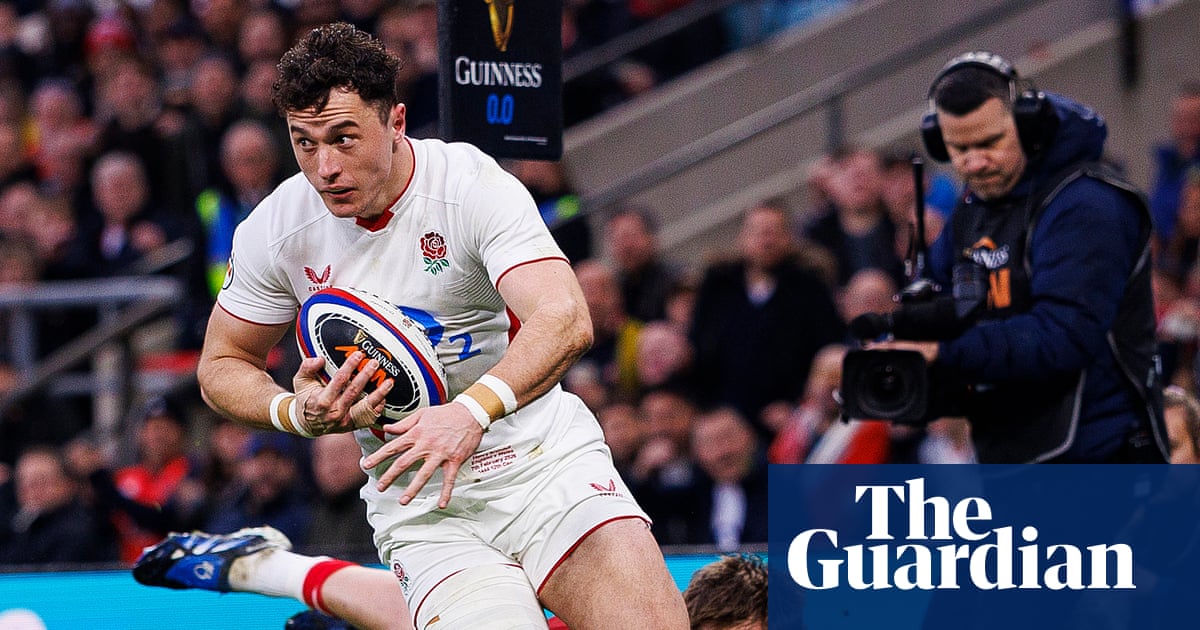
Public service broadcasters are making renewed attempts to persuade the government to expand the list of televised sport’s free-to-air “crown jewels”.A call from the then BBC director of sport, Barbara Slater, to add the Six Nations Championship to the group A list of events that must be offered to terrestrial channels was rejected three years ago, but a group of Labour MPs is understood to be working with the broadcasters to force a change of policy.BBC and ITV have since extended their joint rights for the Six Nations until 2029 despite fears they would be outbid by a subscription service such as Sky Sports and TNT Sport, but with budgets tight they are still seeking legislative protection.While BBC and ITV would be the main beneficiaries of any change, Channel 4 has significantly increased its sport offering in recent years and will be the free-to-air home of the Winter Paralympics next month, as well as beginning exclusive contracts to broadcast the University Boat Race and Women’s FA Cup this year.In addition to pushing for the Six Nations to be moved from the group B list, which permits live events to be behind a paywall as long as highlights are made available free-to-air, the public service broadcasters also want the A list expanded to include the home nations’ men’s and women’s international qualifiers for the World Cup and European Championship, one Champions League tie involving a British team from each round of matches and the men’s FA Cup.A growing number of Labour MPs are understood to be supportive, with the issue likely to be raised in public at the culture, media and sport committee, alongside continued private lobbying of ministers. The issue has yet to be discussed at the select committee, which has not sat for the last fortnight due to the parliamentary recess.With the cost of sports subscriptions rising due to the fragmentation of the rights market, the MPs argue that there is a significant public benefit in making sure that fans can watch their national team in the major sports regardless of means.Many of the events the broadcasters want to be protected are currently available free-to-air, with the main rights holder, TNT Sports, sub-licensing 14 FA Cup ties to the BBC each season, but others are not.While the BBC has highlights rights and produce a weekly programme, live Champions League matches are only available on TNT Sports and Amazon Prime, with games switching to Paramount in a new four-year deal from 2027.Listing an event does not guarantee free-to-air coverage, but the legislation states that public service broadcasters must be given the opportunity to buy the rights at a “reasonable price” they can afford, rather than being outbid by a subscription service.The core events protected for free-to-air TV are the the Olympics and Paralympics, men’s and women’s World Cups and European Championships, the FA Cup final and Scottish FA Cup final, Wimbledon finals, the rugby union World Cup final and rugby league’s Challenge Cup final, as well as the Grand National and the Derby.The secondary B list – which must feature highlights free-to-air – includes the Six Nations and the rest of the Rugby World Cup, the Cricket World Cup and men’s Test matches, the Commonwealth Games and World Athletics Championships, plus golf’s Open and the Ryder Cup.

.jpg)
Most Popular