Iranians in LA hopes to see World Cup team

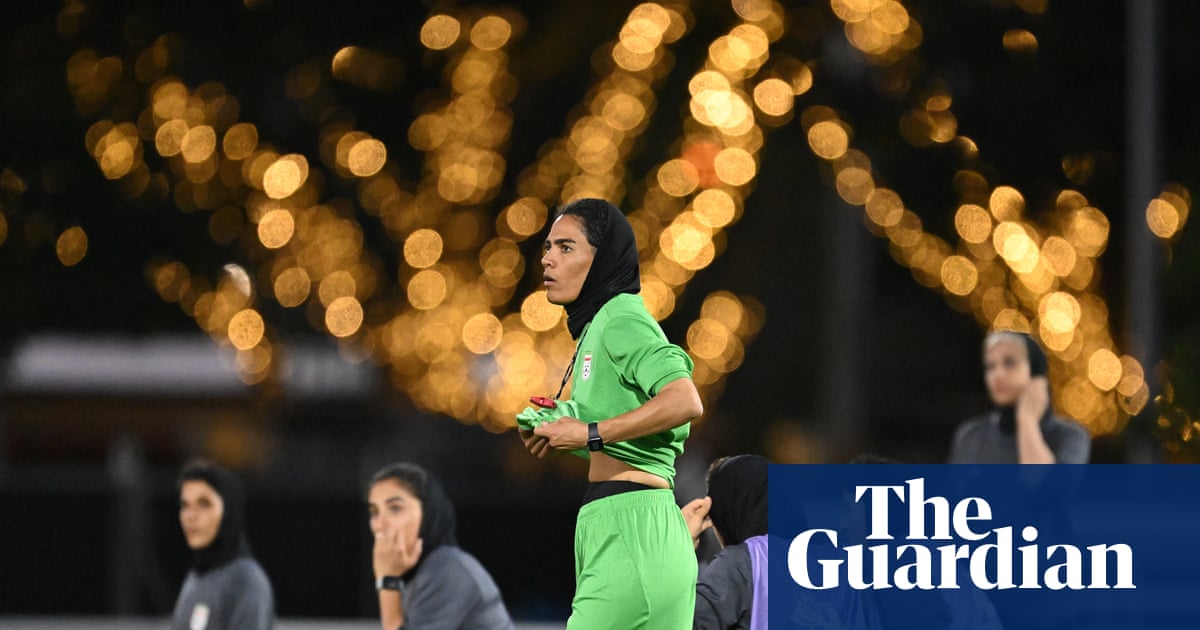
LOS ANGELES: On a Los Angeles football field, Shawn Rezaei shouts himself hoarse in Persian, urging his team-mates to press their opponents harder.This Iranian-American wants to be hollering for the national side three months from now when the World Cup comes to North America.But as Iran hits back across the Gulf in the wake of strikes by Israel and the US, Rezaei is aware that the fate of “Team Melli” is uncertain.“There’s a lot of commotion going on in Iran...so everything is up in the air,” the 58-year-old told AFP.Like most of the other immigrants at Arya FC, his local Persian club, Rezaei has been looking forward to the two games Iran are scheduled to play in Los Angeles, which runs from June 11 to July 19.And the Sunday league players are not alone: Los Angeles, sometimes nicknamed “Tehrangeles,” is home to nearly 200,000 Iranian-Americans, the largest concentration of Iranians outside of the Islamic republic.“There was a big fever amongst the Persian community when the draw happened,” said Rezaei, a restaurant worker who says he wants to take his family to watch the matches.But after days of strikes on sites all over Iran, and Tehran’s military lashing out at US targets and allies in the Gulf, Iran’s participation in the world’s biggest football tournament is in serious doubt.Within hours of the first targets being hit, the head of the Iranian Football Federation, Mehdi Taj, hinted that things might change.“What is certain at the present time is that with this attack and this cruelty, we cannot look forward to the World Cup with hope,” he told Iranian television.Rezaei, who fled Iran in 1984, dismisses the threat, convinced that the Islamic republic’s days are numbered.The death of Supreme Leader Ali Khamenei “is the most serious thing that has happened over the last 47 years, and a lot of damage has been done to this regime. It will not stand a chance.”If the regime falls, he hopes to see the emergence of “a new team... that is really representing the Iranian people.”The last World Cup in Qatar in 2022 revealed a rift between the national team and its supporters.At the time, Iran was convulsed by popular protests sparked by the death in custody of Mahsa Amini, a young woman who had been arrested for not wearing a headscarf properly.The players initially refused to sing the Iranian national anthem, in a gesture perceived as support for the protesters. But in later games, several of them sang, apparently hesitantly — a move some fans saw as capitulation to the ruling conservatives.Published in Dawn, March 5th, 2026

.jpg)
Most Popular