OFC Professional League: The $70 million football league kicking off in Auckland
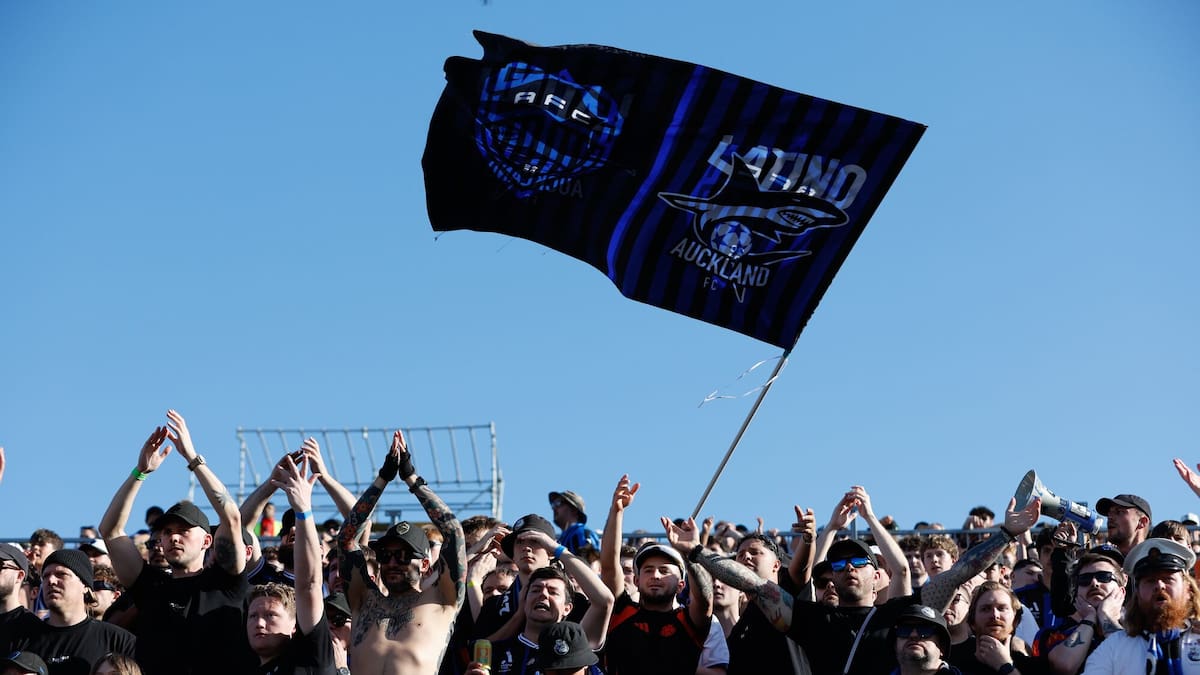
The fairly new Auckland franchise will be competing in the A-League and the OFC Pro League at the same time, which means separate squads – so you won’t be seeing Hiroki Sakai lining up against Vanuatu United. But they do have a strong OFC Pro League squad including veteran striker Emiliano Tade who knows what’s needed to win in the Islands. Former Western Sydney Wanderers defender Tass Mourdoukoutas, Central Coast Mariners defender Zac Zoricich and New Zealand youth international forward Kian Donkers are also in the squad.Bula FC (Fiji)The first Fijian professional team is led by Fijian great and former Wellington Phoenix striker Roy Krishna, Bula FC also feature Trinidad and Tobago international Kaile Auvray and Japanese midfielder Yuta Konagaya.PNG Hekari (Papua New Guinea)Also a first pro team for Papua New Guinea, based on the foundations of Hekari United, who went to the 2010 Fifa Club World Cup after winning the OFC Champions League by beating Waitākere United over the two-leg final. Brazilian coach Marcos Gusmao has brought along three Brazilians to fill his overseas spots.Solomon Kings (Solomon Islands)The club has linked up with Brisbane-based club Wynnum Wolves to help form the nation’s first professional team. Englishman Ben Cahn coaches the team, which includes former Brisbane Roar player Jez Lofthouse. Will be tough to beat at home in round four when they host Auckland FC and then South Melbourne in Honiara.South Island United (New Zealand)Yes, all of the South Island has united, from Farewell Spit to Stirling Point, to make up this team. The initial bid was submitted under the Christchurch United name because only existing, registered clubs were eligible for consideration before the Te Waipounamu encompassing rebrand. Former Fiji coach Rob Sherman is in charge of a squad that includes New Zealand international Oskar Van Hattum along with David Yoo and Haris Zeb, who have impressed at domestic level, and recent signing Christian Gray, who scored for Auckland City FC against Boca Juniors at last year’s Fifa Club World Cup.South Melbourne (Australia)The only team in the league from outside Oceania Football, since Australia are part of the Asian Football Conference, the club won the inaugural Australian Championship last month, while not conceding a goal in the three finals matches. South Melbourne are not eligible to compete at any Fifa tournaments through winning the OFC Pro League.Tahiti United (French Polynesia)Tahiti national coach Samuel Garcia takes on the dual role and will have plenty of familiar faces around him, including national forward Teaonui Tehau, who has 49 international caps to his name.Vanuatu United (Vanuatu)Adding a bit of drama before the competition has even begun, Vanuatu United announced on Tuesday that head coach Lars Hopp and general manager Christian Happel were stepping down before a ball has been kicked. The side features Kiwis Otto Ingham and Owen Smith.What’s at stake?The winner of the OFC Professional League will qualify for the Fifa Intercontinental Cup, which takes place later this year, venue yet to be announced. While the best-performing team over the next three seasons will represent OFC at the next Club World Cup in 2029.South Melbourne FC will represent Australia as the sole team from outside the OFC region and can’t qualify for the Fifa tournaments through the OFC Pro League.When are the games?The league kicks off at Eden Park on Saturday with Vanuatu United facing Bula FC at 3pm followed by Auckland FC against South Island Utd at 7pm. There will also be two games on Sunday, followed by four more matches on Tuesday and Wednesday at North Harbour Stadium, and another four matches on Friday and Saturday next week to to complete the opening round.Circuit Series Round two - Port Moresby, Papua New Guinea, January 31-February 8Circuit Series Round three - TBC, Australia, February 21-February 28Circuit Series Round four - Honiara, Solomon Islands, March 14-19Circuit Series Round five - TBC, Fiji, April 11-18Play Off Groups - After the Circuit Series Round the eight clubs will be split into two separate groups - the Leaders Group A and Challengers Group B.After which the top three teams from Leaders Group A progress to the semi-finals while the fourth side and the top team from Challengers Group B square off in a semi-final playoff. The semi-finals followed by the final will decide the champion.

.jpg)
Most Popular

Celtic: Martin O'Neill calls for patience on transfers
9 minutes ago



2026 MLB International Signing Day
23 hours ago